The Donor’s Blind Spot: Five Questions That Separate Impact From Inspiration
Inspirational marketing is easy to fund. Real impact is harder to spot. Before you write a check to a blindness nonprofit in 2026, ask these five questions.
See the world through every story
Inspirational marketing is easy to fund. Real impact is harder to spot. Before you write a check to a blindness nonprofit in 2026, ask these five questions.
Blind voters navigated registration forms, polling-place maze runs, and curbside voting numbers that rang into voicemail. The 2026 midterms had real wins—and the same failures we’ve been documenting for years.
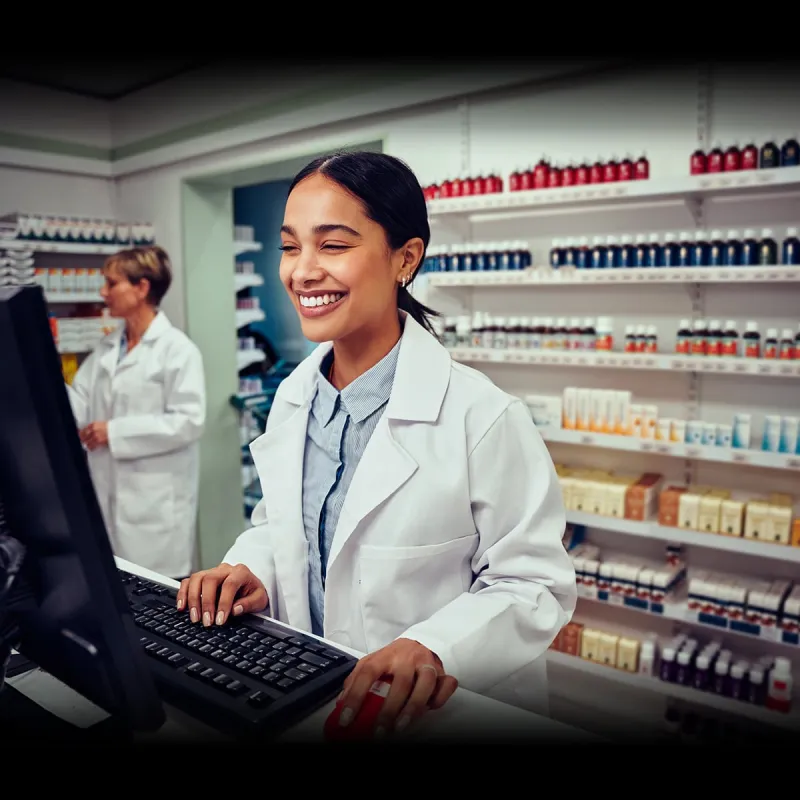
Tiny print, color-coded pills, and instructions that assume sight turn a routine pharmacy trip into a daily risk. The fixes exist—talking labels, braille, better training—so why is adoption still a postcode lottery?
We asked blind and low-vision users from nine states which accessibility features genuinely reshaped their daily routines — and what they'd rip out of their favorite apps tomorrow. Their wish lists read like a free product roadmap. Developers, take notes.
One suburban household in Ohio cut the lights — metaphorically, at least — for a full week, using only techniques borrowed from the blind community. What started as a stunt turned into a masterclass in skills every household should probably have.
We hand sixteen-year-olds car keys after a few weeks of practice, then treat white cane certification like a nice-to-have. Three recent graduates of a six-month mobility program make the case that O&M training is a life skill worth insuring — and funding — like anything else.
Before a hiring manager ever reads a resume, most blind applicants have to survive an application portal that was never built for them. We followed three job seekers through real online applications and counted every dead end, every captcha, every silent form field — and asked the companies behind them why the door is still locked.
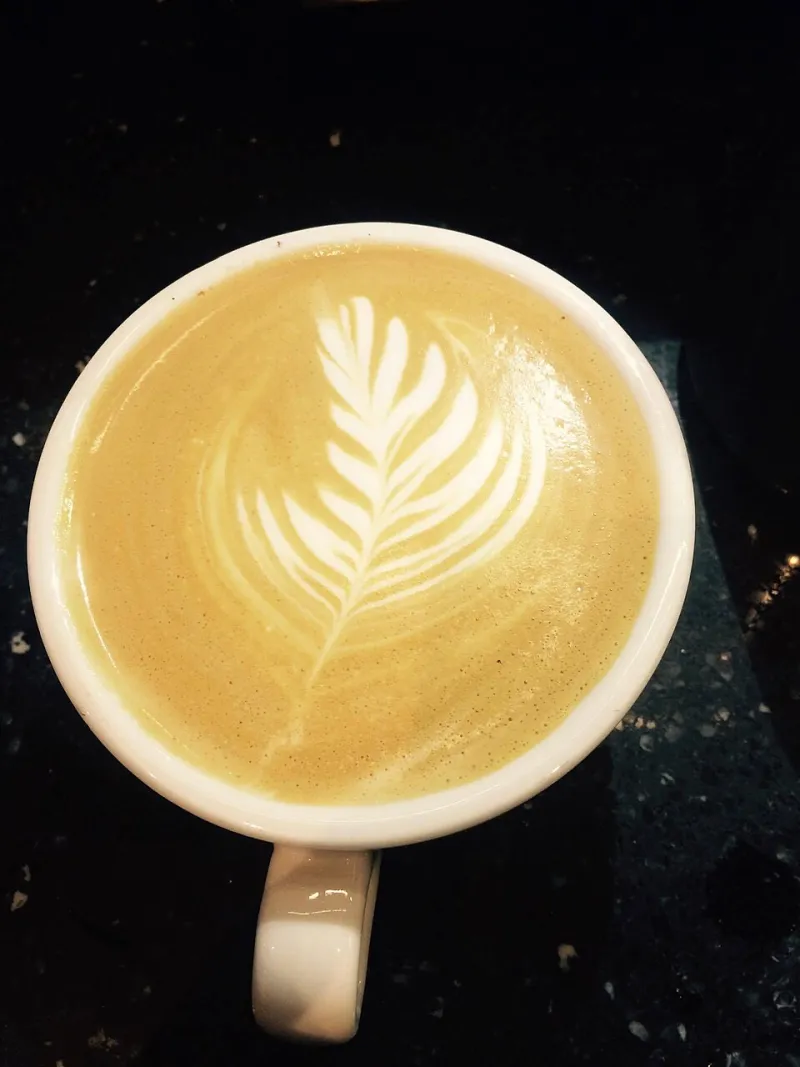
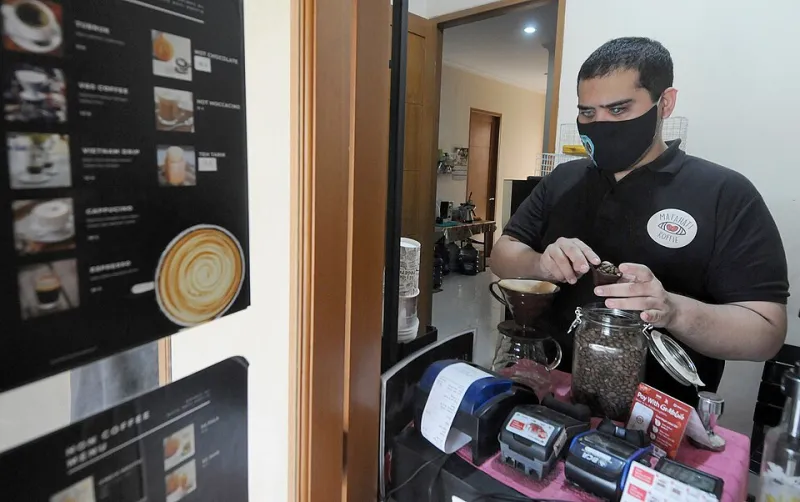
A new wave of American coffee shops is proving that great espresso has nothing to do with eyesight. Inside the tactile workflows, talking tills, and braille menus that make the counter run smoothly — and why sighted customers keep lining up.
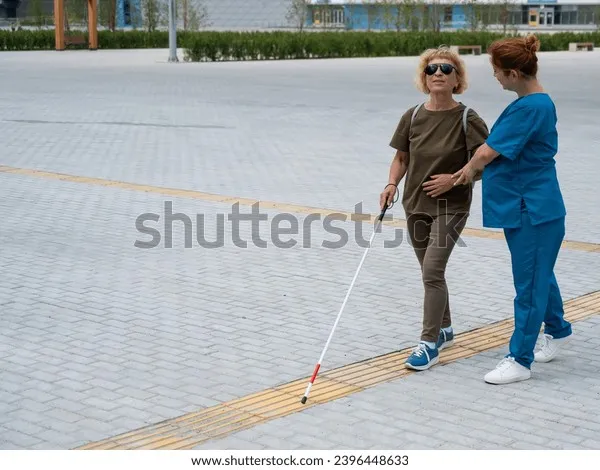
Everyone assumes the sighted guide is doing the blind runner a favor. Mara Ellison is here to flip that script — one training run, one dropped guide, and one very sore volunteer at a time.
The $200 billion video game industry spent decades treating blind players as an afterthought. Now audio-driven indies and AAA blockbusters are building games you can beat with your ears alone — and blind gamers are leading the charge.
Three American households spent a month eating dinner blindfolded, hoping a little darkness would teach them something about blindness. Our blind consultants watched it unfold and had plenty to say — mostly about what these experiments get wrong.
From a deaf-run coffeehouse in Austin to a kitchen where the line cook navigates by memory and sound, a new wave of eateries is proving that accessibility-first hiring isn't charity — it's good business. We spent time behind the counter with the people running the show.
We handed a blind tester a laptop and asked her to shop, bank, and check her voter registration online — with the screen reader audio running the whole time. What she heard says a lot about who the web was really built for.
Screen reader subscriptions, marked-up kitchen gadgets, premium rideshare fares — the costs of blindness in America are real, recurring, and almost never covered by insurance. We followed one budget-conscious blind household through twelve months of receipts to total up what sighted people never have to think about.
Before the career, before the résumé, there's the first shift — folding boxes, pulling espresso shots, learning the register by touch. For blind teenagers across America, that first job does something no IEP meeting ever could: it changes what everyone in the room expects.
From 3D-printed Van Goghs to touch tours at the Met, museums across the country are rethinking the one rule every gallery lives by. We talk to blind art lovers and the curators learning that 'do not touch' was always a choice, not a law.
Hospitals assume you need perfect vision to take a pulse. Blind nurses across America are proving otherwise — one shift, one palpable vein, one medication label at a time. But outdated certification boards still slam the door on far too many of them.
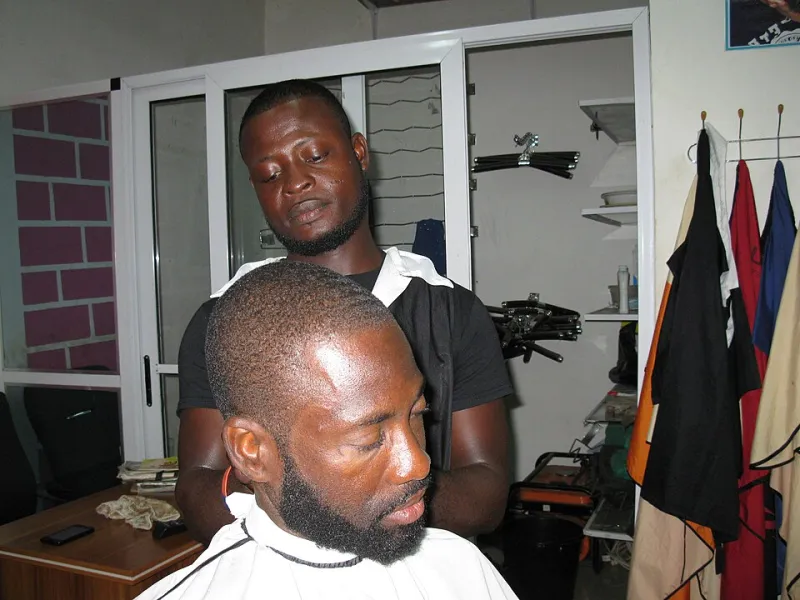
From a Detroit barbershop that narrates every snip to a Portland café built around sound and touch, a growing group of American small business owners are proving that designing for blind customers isn't charity — it's just smart business. We spent time behind their chairs and counters to find out how they do it, and what any independent shop could copy this week.
Hurricane evacuation orders flash across TV screens. Tornado warnings scroll as banners. For blind Americans, emergency information often arrives late, incomplete, or not at all. This is what a life-or-death accessibility gap looks like — and how it gets fixed.
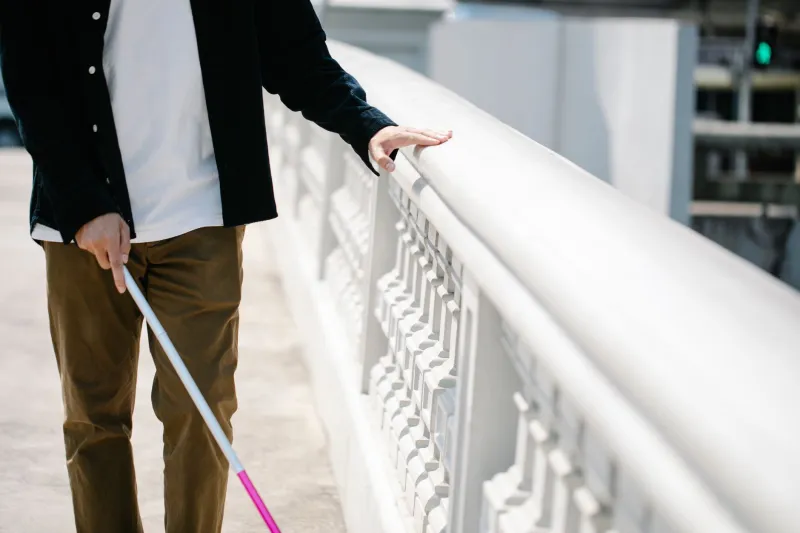
A white cane costs about as much as a nice dinner out — so why do some Americans wait over a year to hold one? We followed the paperwork trail through a patchwork of agencies, insurers, and nonprofits, and what we found says a lot about how this country thinks about blindness.