The Donor’s Blind Spot: Five Questions That Separate Impact From Inspiration

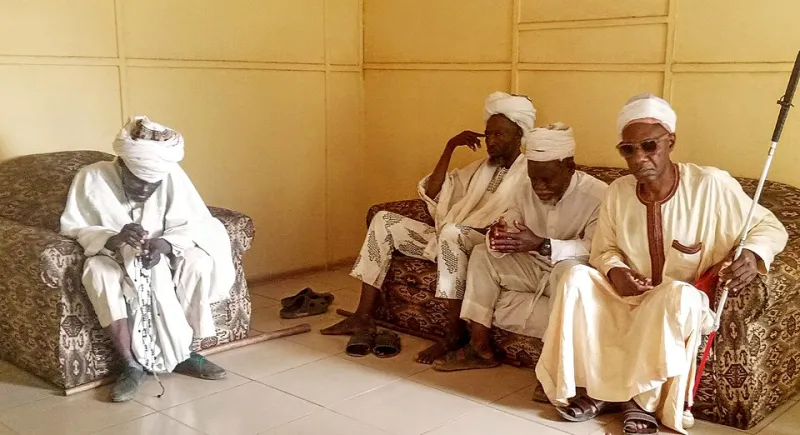
Photo: FOTO:Fortepan — ID 100576: Adományozó/Donor: Ormos Imre Alapítvány., CC BY-SA 3.0, via Wikimedia Commons
The Inbox Problem
It’s November, which means your inbox is full of stories about blind people doing remarkable things. A blind hiker summits a mountain. A blind chef opens a restaurant. A blind teenager wins a scholarship. These stories are real, and they matter. But they are not a strategy. They are a feeling. And feelings are easy to fund.
If you want your donation to change systems—not just produce a good cry—you need to ask harder questions. Here are five to start with.
1. Who is actually in the room?
Ask any blindness nonprofit how many blind people sit on its board and senior staff. Count them. If the answer is zero, you are funding an organization that talks about blind people without being accountable to them. That’s not a small thing. It’s the whole thing.
Blind leadership isn’t a diversity checkbox. It’s a corrective. Blind people know which programs work because they use them. They know which “awareness campaigns” make them cringe because they’ve been the subject of one. A nonprofit with blind leadership is more likely to build a ramp than a photo op.
2. Can blind people actually use your programs without asking for help?
Accessibility isn’t a feature you add at the end. It’s a test you run at the beginning. Ask the nonprofit to walk you through how a blind person signs up for services, reads its website, attends its events, and gives feedback. If the answer involves “they can call our office and someone will help,” that’s not accessibility. That’s a favor.
Real accessibility means screen-reader-friendly websites, braille and large-print materials, audio descriptions, tactile signage, and staff who are trained to offer help without making it weird. It means a blind person can move through the program independently. Ask for evidence.
3. What changed because a blind person told you to change it?
This is the partnership question. Any organization can say it listens to the community. But listening is cheap. Changing is expensive. Ask for a specific example of a program, policy, or campaign that was redesigned because blind people said it was wrong.
The best answers are small and concrete: “We stopped using the word ‘inspirational’ in our fundraising.” “We moved our annual gala to a venue with tactile signage.” “We added blind reviewers to our grant committee.” Those are the answers that tell you the organization is in relationship, not in performance.
4. How do you measure impact beyond gratitude?
Inspirational marketing loves gratitude. It’s photogenic. But gratitude is not an outcome. Ask what the organization measures: how many blind people got jobs, how many canes were distributed, how many voting machines were fixed, how many pharmacies adopted talking labels. Ask for numbers, not anecdotes. Ask what didn’t work.
The best nonprofits will tell you about their failures. They will tell you about the program they shut down because blind participants said it wasn’t helping. That’s a good sign. It means they are accountable to outcomes, not to donors’ emotions.
5. What would you stop doing if it made blind people safer but less inspiring?
This is the hard one. Many nonprofits rely on inspirational storytelling to raise money. That’s understandable. But some of that storytelling treats blind people as props—symbols of resilience, not experts on their own lives. Ask the organization what it would give up if blind people told them to stop.
The answer will tell you whether the organization exists to serve blind people or to serve donors’ feelings about blind people. The best answer is something like: “We would stop using that photo. We would stop that campaign. We would take the hit.” That’s the answer you’re looking for.
Write the Check—But Ask First
Here at The Blind Project, we believe in the power of stories. But stories are not a substitute for power. If you’re giving to a blindness nonprofit this year, give generously. But ask these five questions first. The organizations that can answer them are the ones worth your money. The ones that can’t are the ones that need to change.