Sixteen, Blind, and Behind the Counter: What a First Paycheck Actually Buys
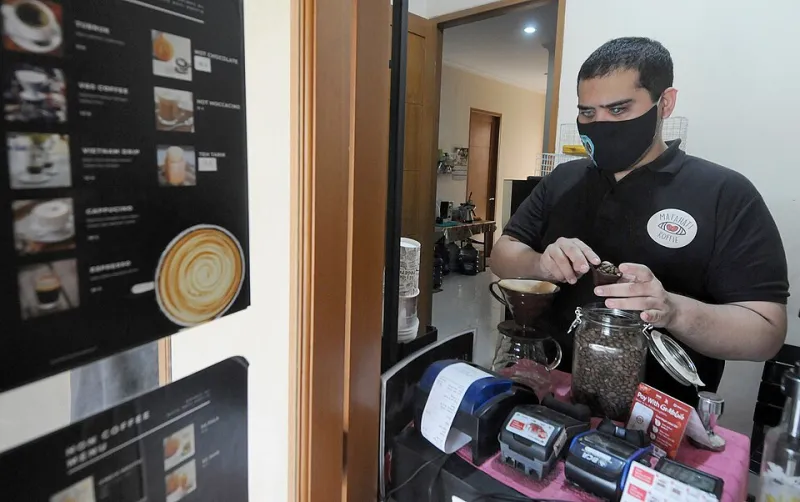
Photo: Arie Basuki, CC BY-SA 4.0, via Wikimedia Commons
The apron is too big. The espresso machine hisses like it's annoyed. And Maya, sixteen, blind since infancy, is doing what every new barista does on day one — memorizing where everything lives.
Except she's doing it with her hands and her ears instead of her eyes.
"The steam wand is at two o'clock," she explains, laughing, a month into the job at a Columbus coffee shop. "The cups are stacked by size, so I just count down. The register talks to me through my screen reader, which is slower than typing, so I memorized the shortcut combos instead." She shrugs. "Honestly, I think I learned the layout faster than the sighted girl they hired the same week. She kept looking for things. I couldn't."
Maya landed the job through a transition program — one of a growing number of efforts across the US that place blind and low-vision high schoolers into real, paid, part-time work before graduation. And if you've never thought about what a first job means for a blind teen, the answer is: a lot more than gas money.
The Numbers Behind the First Shift
Here's the uncomfortable context: roughly 70% of working-age blind Americans are unemployed or underemployed. That statistic gets quoted a lot, and it should. But advocates will tell you the gap doesn't open up at 25 or 35. It opens at 16, when sighted classmates start stacking the résumés that later interviews are built on.
"If your first work experience happens at 22 instead of 16, you've lost six years of learning how to be hired," says one vocational rehabilitation counselor we spoke with in Ohio. "How to interview. How to ask for an accommodation without apologizing for it. How to fail at a task in front of a boss and recover. Sighted kids get to practice all of that on low-stakes jobs. Blind kids often don't get the chance to practice at all."
Transition programs aim to close that gap early. Some partner with grocery chains and local restaurants; others build relationships with small business owners one handshake at a time. The mechanics vary, but the goal is identical: get the kid a real job, with a real paycheck, before the diploma.
What Employers Learn in Week One
The surprise, program coordinators say, usually runs in the employer's direction.
"Owners expect they're doing the kid a favor," one program director told us. "Two weeks in, they realize the kid is the most reliable person on the schedule. These teens have spent their whole lives problem-solving around a world that wasn't designed for them. That's not a liability. That's a work ethic."
There's a learning curve, to be sure. A grocery store might need to reorganize a section so baggers can navigate it independently. A café might order a talking POS terminal or label syrup bottles with tactile markers. But the adaptations are almost always cheaper and simpler than managers feared — often under a hundred dollars — and the fixes tend to make the workplace better for everyone. Tactile labels help the new hire with dyslexia too. Clear routines help every teenager on staff.
The Paycheck That Isn't About Money
Ask the families what changed, and the answers get quiet.
Maya's mother describes the first time her daughter handed over part of her paycheck for her phone bill. "She didn't ask me to Venmo it. She paid it. You can't buy that feeling, and I couldn't give it to her no matter how much I wanted to."
That's the through-line in nearly every story: the money matters less than the proof. Proof to the teen that they're employable. Proof to parents who've spent years bracing for a harder adulthood. Proof to a skeptical uncle at Thanksgiving that, yes, blind people work — this one works at your coffee shop, actually.
One program coordinator put it bluntly: "We're not running a job placement program. We're running an expectation-adjustment program. We just use paychecks to do it."
Dignity Doesn't Scale — But It Spreads
There's a temptation, in advocacy circles, to chase the big policy win: federal funding, statewide mandates, corporate partnerships. Those matter. But the quiet multiplier effect of a first job shouldn't be overlooked. One teen behind a counter changes how a whole crew of coworkers thinks about blindness. One manager who's hired once hires again. One younger blind kid in town hears that Maya works at the café and stops asking whether she'll ever have a job.
Maya, for her part, has plans. She's eyeing management training after high school. Her boss, she says, already hinted she'd be first in line.
"He told me I train people well," she says, wiping down the counter by feel, fast and sure. "I told him I've been teaching people how to do stuff my whole life. Now somebody finally pays me for it."
That's what the first paycheck buys. Not the dollars — the dignity. And dignity, it turns out, compounds.