Your Table Is Talking: The Silent Revolution of Audio Menus, Talking Apps, and Tactile Signage
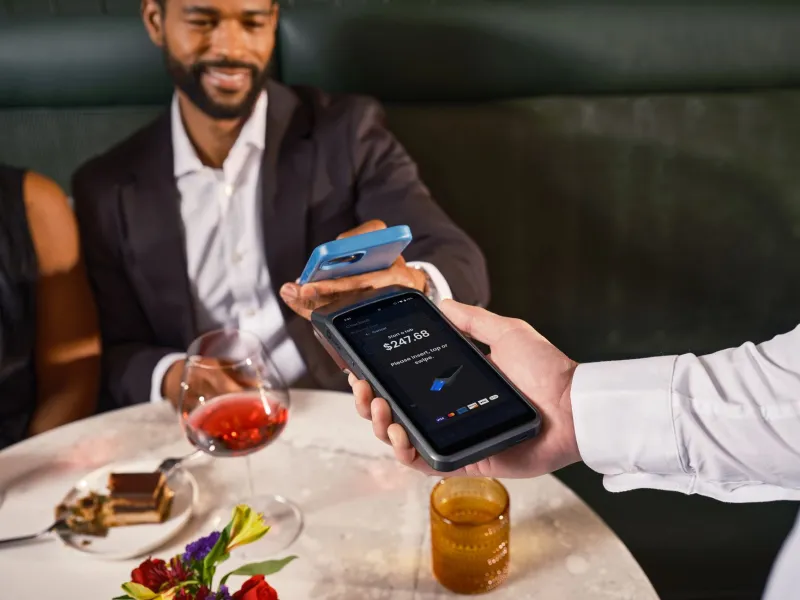
There's a moment familiar to almost every blind or low-vision American: standing in line at a coffee counter, phone raised, waiting for a screen reader to fight its way through an app that clearly wasn't designed with you in mind. For decades, that moment was just part of the deal.
It's starting to change — and interestingly, not always because companies set out to become accessibility champions. Sometimes it's a lawsuit. Sometimes it's a vendor upgrade. And sometimes, it's just good business sense catching up with a community that holds roughly $490 billion in disposable income nationwide.
When the Drive-Thru Reads Itself
Take the humble drive-thru menu board. Chains like McDonald's and Burger King have been rolling out digital displays with AI-powered ordering systems — think IBM's Watson-assisted kiosks and similar voice-first tech — that let customers place orders conversationally. The pitch to shareholders was speed and labor costs. The side effect? A customer who can't read the board can now order a meal without asking a companion for help.
Same story at the counter. Self-service kiosks at chains like Panera and Shake Shack increasingly ship with built-in screen readers, audio jacks, and tactile keypads — features pushed by the Americans with Disabilities Act and, frankly, by vendors who realized one accessible template serves every location at once.
Airports Are Quietly Getting Good at This
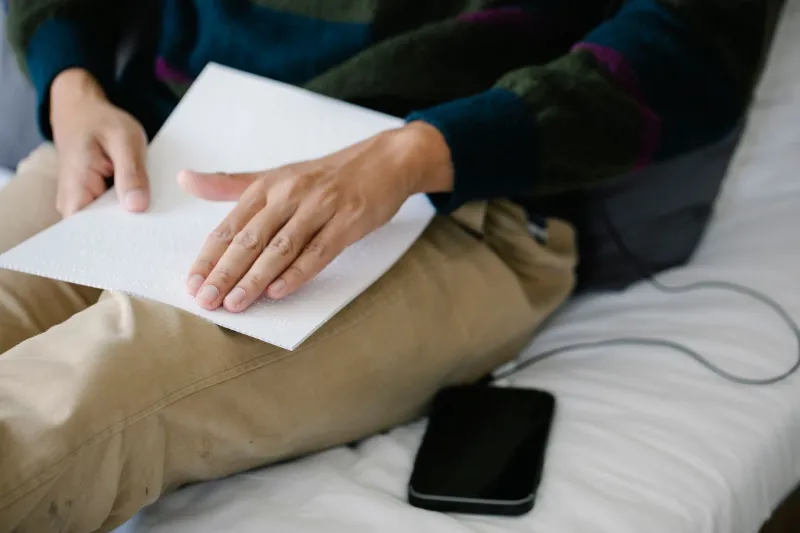
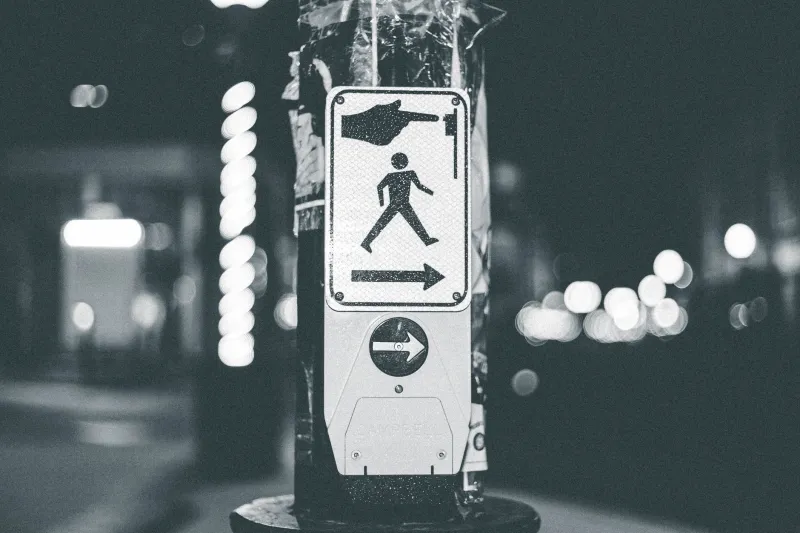
If you want to see accessibility infrastructure at scale, spend a layover at Seattle-Tacoma International, San Francisco International, or Chicago O'Hare. Airports have become testing grounds for wayfinding tech: beacon systems that send turn-by-turn directions to a smartphone, gate agents trained to announce boarding by name rather than barking "pre-boarding!" into a garbled PA, and braille signage placed at consistent heights so it's actually findable.
Airline apps tell a similar story. Delta, American, and Southwest have all faced complaints — and Department of Transportation scrutiny — over inaccessible websites and apps, and all three have since invested heavily in screen-reader compatibility. The DOT's 2023 rulemaking on accessible air travel gave carriers a deadline. Predictably, when there's a deadline, things get built.
What Actually Matters to Blind Patrons
We talked with blind and low-vision readers across the country about which of these changes are meaningful and which are window dressing. The answers were refreshingly unsentimental.
Audio menus beat "accessible" PDFs, every time. A restaurant website that offers a screen-reader-friendly menu — real text, logical order, no image-only scans — is worth more than any accessibility badge in the footer. Several readers mentioned Chipotle and Starbucks apps as examples of ordering flows that just work with VoiceOver or TalkBack, without a support call.
Consistency beats cleverness. Tactile signage in one terminal is nice. Tactile signage in the same spot in every terminal, with the same numbering logic, is independence. One traveler put it plainly: "I don't need a tour guide. I need the bathroom to be where the sign says it is."
Staff training is the multiplier. All the beacons in the world can't fix a host who grabs your arm without asking. Restaurants and airlines that teach staff to offer an elbow, describe the layout, and read the specials aloud get loyalty that no ad campaign can buy.
The Uncomfortable Part
Here's the tension worth naming: much of this progress arrived as a byproduct of cost-cutting, litigation, or regulation — not because anyone had a change of heart. That's not nothing (outcomes matter), but it means accessibility can be the first line item cut when budgets tighten.
So celebrate the talking kiosk. Order from the audio menu. And then tell the business — in a review, an email, a tweet — that you noticed. Because the fastest way to make accessibility intentional instead of incidental is to make it profitable and visible.
The quiet revolution is real. Our job is to make sure it gets loud enough to last.