Coast to Coast With a Cane: Five Friends Grade America on Getting Around

The plan was scrawled on a diner napkin somewhere outside Columbus: drive from Boston to San Francisco, five friends, four of us blind or low-vision, one sighted navigator, and a shared document where we'd score every city on the stuff that actually shapes a blind person's day. Not the brochures. The sidewalks.
What follows is that document, cleaned up, with names changed and egos bruised.
How We Scored
Three categories, ten points each. Sidewalks and streets: can you walk a block without playing dodgeball with an e-scooter, a sandwich board, and a crumbling curb? Transit: do buses and trains announce stops, and does anyone answer when you press the stop-request button? People: do staff and strangers treat you like a customer or a charity case?
The Rankings, Coast to Coast
Boston — 26/30. Our starting point set a high bar. The T announces stops, downtown is walkably dense, and a Beacon Hill hostess described the menu and the restroom location without being asked. Docked points for cobblestones that read like a washboard under a cane.
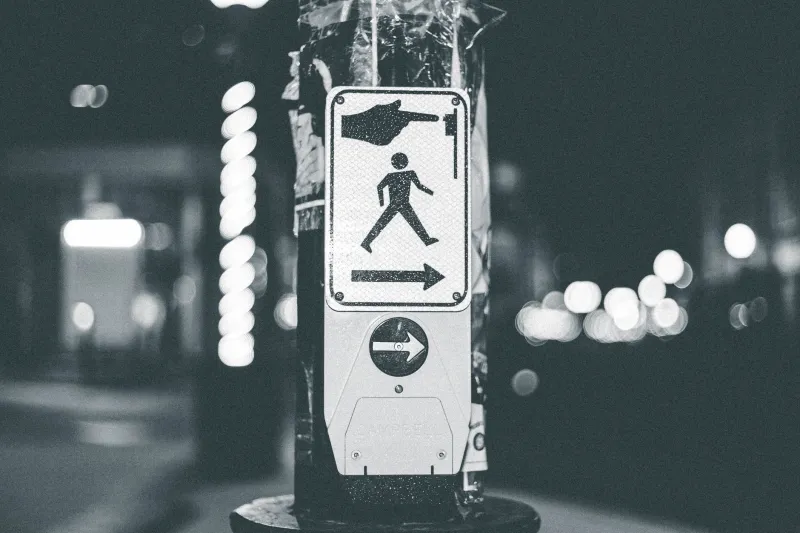
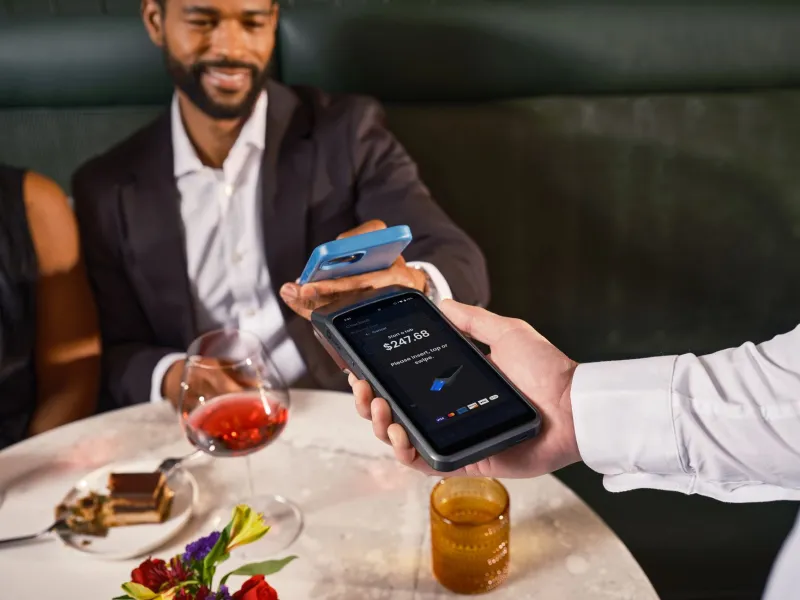
New York City — 27/30. Loud, chaotic, and weirdly excellent. Accessible Pedestrian Signals at hundreds of intersections, a subway paratransit system that (eventually) works, and a cab driver who handed my friend the card reader and said, "It talks." The winner on transit, no contest.
Pittsburgh — 22/30. The underrated hero of the trip. Inclines are a workout, but the bus drivers here announced stops unprompted, and a stranger in the Strip District walked us to a bakery by asking first. Manners matter.
Chicago — 25/30. The Loop's grid is a blind traveler's dream — four directions, no ambiguity. The L announcements are solid. The lakefront wind nearly took Maria's cane into Lake Michigan, which we're counting as an infrastructure flaw.
Denver — 21/30. Newer sidewalks, audible signals downtown, and light rail that announces clearly. Lost points for sprawl: between the spots worth visiting, there's a lot of nothing, and nothing doesn't come with a bus route.
Santa Fe — 18/30. Gorgeous, walkable, and quiet — which is the problem. Without traffic noise or transit announcements, orientation gets hard. A museum docent saved the day by describing every exhibit in loving detail. Best tour of the trip.
Los Angeles — 17/30. The city everyone warned us about. And yes, the sidewalks are a mosaic of broken slabs, and you will not get anywhere without a car. But the bus announcements were among the clearest we heard, and an Echo Park barista read the entire menu aloud like it was poetry. Complicated city. Complicated grade.
San Francisco — 26/30. Our finish line earned its reputation. Tactile paving on Market Street, accessible signals by the dozen, and hills that double as cardio. The whir of a cable car is the best landmark in America.
What the Miles Taught Us
Three things, scribbled somewhere in Nevada:
Announcements are dignity. Knowing your stop without asking a stranger is the difference between independence and improvisation. Cities that mandate them — and drivers who actually make them — change lives for the cost of a speaker.
The scooters are winning. In nearly every city, dockless e-scooters and delivery bikes on sidewalks were the top hazard. Sidewalk riding should be as ticketable as it is dangerous, because it is both.
Ask, don't grab. The single best interaction of 3,400 miles was a stranger in Pittsburgh who said, "Would you like an arm?" The worst was a hotel porter who steered a friend by the shoulders without a word. Training staff to offer costs nothing. It's the cheapest accessibility upgrade in America.
Why We're Telling Donors This
Because inclusion isn't abstract — it's a curb cut, a bus announcement, a hostess who describes the specials. Every city on this list got better somewhere because advocates asked, complained, or sued. Fund that work. Grade your own hometown with our three categories. And if you see five friends with canes piled out of a minivan at your local diner, say hi. We'll tell you where to eat — we have opinions.